Introduction
Every entrepreneur understands that the heart of any successful service endeavor lies in a robust company plan. But what genuinely separates an average strategy from a remarkable one? This is where the art of business plan evaluation enters play. Assessing an organization plan is not simply about confirming numbers or analyzing market trends; it has to do with understanding the vision behind the endeavor, examining its expediency, and determining possible risks. In this short article, we will explore the nuanced process involved in examining a company plan, diving into numerous methods, tools, and finest practices that ensure your evaluation process is both extensive and insightful.
Crafting Success: The Art of Organization Plan Evaluation
Evaluating an organization strategy needs more than just taking a look at financial forecasts or sales forecasts. It includes evaluating the marketplace landscape, understanding the competitive environment, and determining if the proposed options successfully attend to recognized issues. When you examine a service plan completely, you're setting a solid structure for success that can direct future techniques and operations.
Understanding Service Plans: Why They Matter
Business strategies work as roadmaps for business owners. They articulate not just what an organization means to do but likewise how it prepares to do it. A well-crafted business strategy includes aspects such as:
- Executive Summary: A photo of your business. Market Analysis: Understanding your audience. Organizational Structure: Who does what? Product Line or Services: What are you selling? Marketing Strategies: How will you bring in customers? Financial Projections: What do you expect to earn?
By examining these parts seriously, stakeholders can gauge whether an endeavor deserves purchasing or pursuing further.
The Role of Academic Credential Assessment in Company Plan Assessment
An evaluation of credentials can significantly impact your company's reliability. Academic credential evaluations help confirm instructional certifications and professional experiences of employee, adding weight to their expertise in carrying out business design effectively.
What Is Academic Credential Evaluation?
Academic credential examination includes analyzing and interpreting academic documents to determine their equivalence in a different educational system. For organizations running on a worldwide level, acquiring a precise assessment is crucial to make sure compliance with regional guidelines and market standards.
Why Is It Important?
An effective scholastic credential evaluation:
- Ensures that employee possess pertinent qualifications. Enhances trust among financiers by showcasing qualified expertise. Helps recognize skill spaces within your group which could be resolved through working with or training.
International Credential Assessment Solutions and Their Importance
For services looking to broaden internationally, global credential evaluation services become necessary. These services supply insight into how foreign credentials stack up against domestic standards.
Benefits of International Credential Evaluation Services
Accuracy: Premium examinations supply precise comparisons. Compliance: Help in conference regional licensing requirements. Recruitment Advantage: Attract top-tier skill from around the globe.Course-by-Course Credential Examination for Detailed Insights
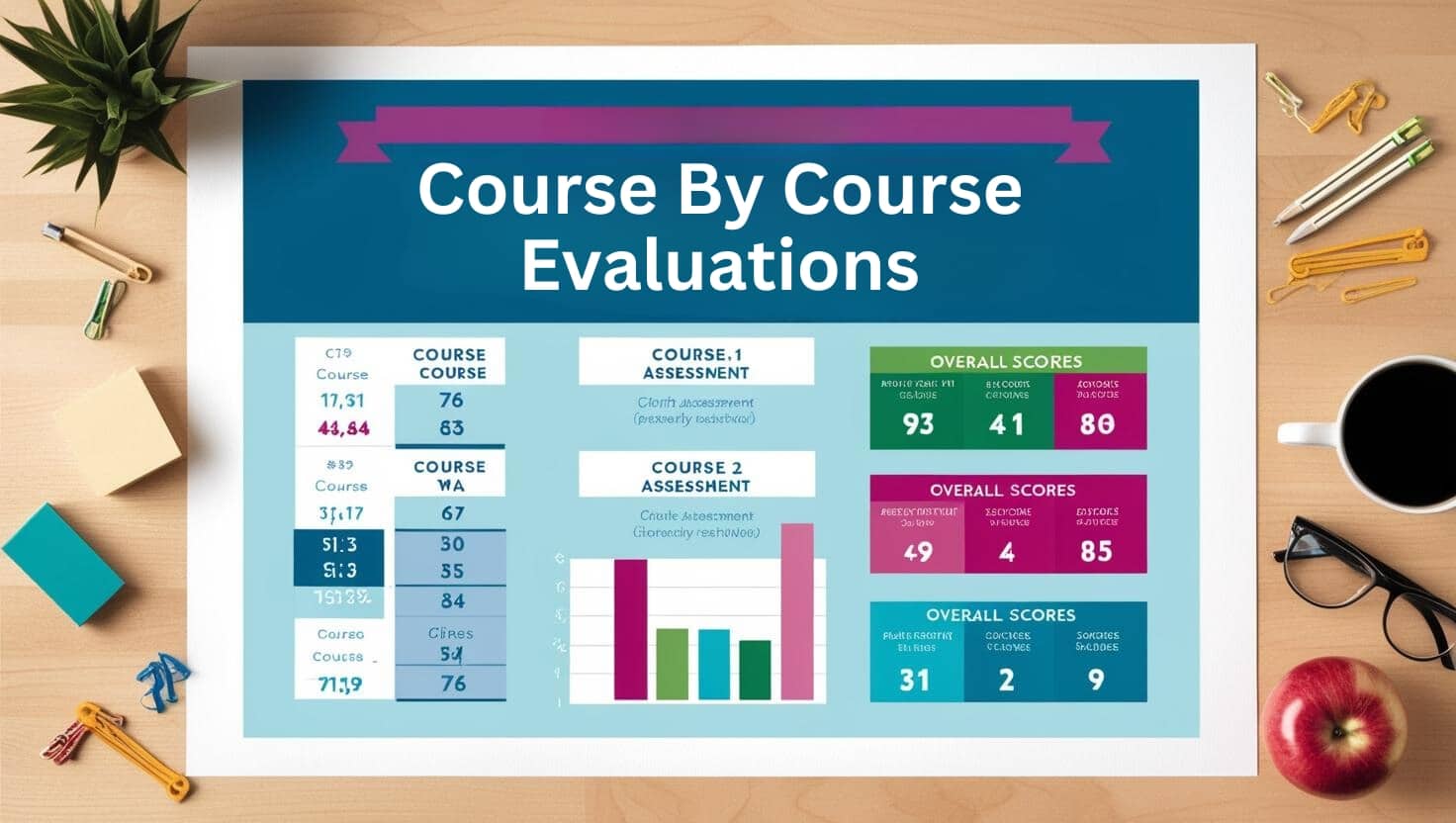
A https://penzu.com/p/619331bef9d727b9 course-by-course credential examination dives much deeper than general evaluations by breaking down private coursework credits into equivalent U.S.-based courses.
Why Pick Course-by-Course Evaluations?
Such evaluations offer in-depth insights into particular strengths and weaknesses of prospects' instructional backgrounds which can be beneficial when:
- Hiring specialized roles. Understanding prospective training requires for group members.
Evaluating Work Experience: An Often Neglected Aspect
While academic background is necessary, work experience plays a similarly crucial role in evaluating possible team members associated with executing business plan.
How Do You Assess Work Experience?
When examining work experience:
Look for relevant market exposure. Consider past achievements relative to task responsibilities. Evaluate adaptability skills based upon previous roles.Expert Opinion Letters: Confirming Your Group's Expertise
Expert viewpoint letters are typically utilized as supplemental documents during examinations to strengthen claims made about certifications or experiences within a service proposal.
What Should Be Included in a Specialist Viewpoint Letter?
A clear declaration concerning the expert's credentials. An assessment associated to particular areas under review. Recommendations based upon their expertise worrying your job goals.The Process of Organization Plan Assessment: Step-by-Step Guide
1. Preliminary Review
Start with a preliminary read-through to understand the total vision before diving deeper into specifics.
2. Financial Analysis
Examine monetary projections carefully-- are they practical? Compare them with market benchmarks.
3. Market Research Validation
Ensure there's considerable research study backing up market analysis claims made within the plan.
4. Threat Assessment
Identify possible threats described within the proposition-- are they legitimate concerns?
5. Stakeholder Feedback
Engage with key stakeholders throughout the evaluation procedure for varied perspectives on feasibility and execution strategies.

Common Mistakes in Organization Strategy Evaluations
Even skilled critics might ignore specific aspects leading to problematic conclusions about practicality:
FAQs About Service Plan Evaluations
Q1: What constitutes a strong organization plan?
A strong company strategy consists of clear goals, extensive market analysis, practical monetary projections, and well-defined methods for execution while addressing potential risks effectively.
Q2: For how long need to my company plan be?
While there's no conclusive answer since it depends upon intricacy, most comprehensive plans vary from 20 to 50 pages long-- enough time to cover all required details without frustrating readers.
Q3: Can I assess my own company plan?
Yes! Nevertheless, looking for external feedback brings fresh perspectives that might expose overlooked defects or opportunities that improve overall practicality evaluations significantly!
Q4: How typically must I upgrade my organization plan?
Regular updates are necessary-- preferably every 6 months-- to align with developing market conditions and internal changes affecting company direction!
Q5: Exist software application tools offered for assessing my business plan?
Absolutely! Numerous platforms use templates together with analytical tools created particularly for extensive evaluations ranging from financial modeling software like LivePlan to collective platforms like Bizplan!
Q6: Ought to I include third-party critics throughout this process?
Involving external professionals can provide impartial insights while ensuring thoroughness throughout all areas-- particularly if you're browsing intricate regulatory environments!
Conclusion
In conclusion, mastering the art of evaluating a company plan is important to crafting success in any entrepreneurial endeavor. By employing complex techniques such as academic credential evaluations and leveraging skilled viewpoints, you pave the way towards notified decision-making that lines up with your strategic goals while minimizing dangers along the way! Remember-- every detail counts; don't ignore elements like course-by-course analyses or work experience validations-- they may effectively hold keys towards unlocking future growth!
In today's hectic world where competitors abounds at every turn, excelling at this important stage lays foundations upon which sustainable success can grow! So roll up those sleeves; dive deep into your evaluations; craft plans that resonate not just with financiers but also influence teams who will bring visions alive!